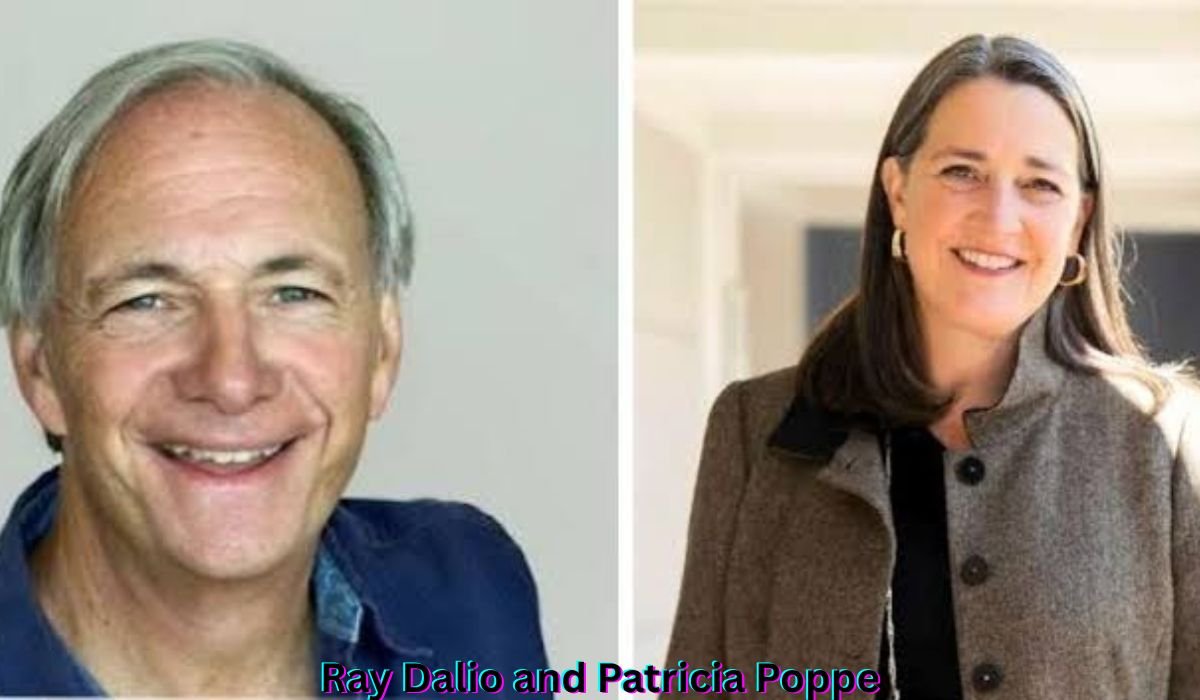
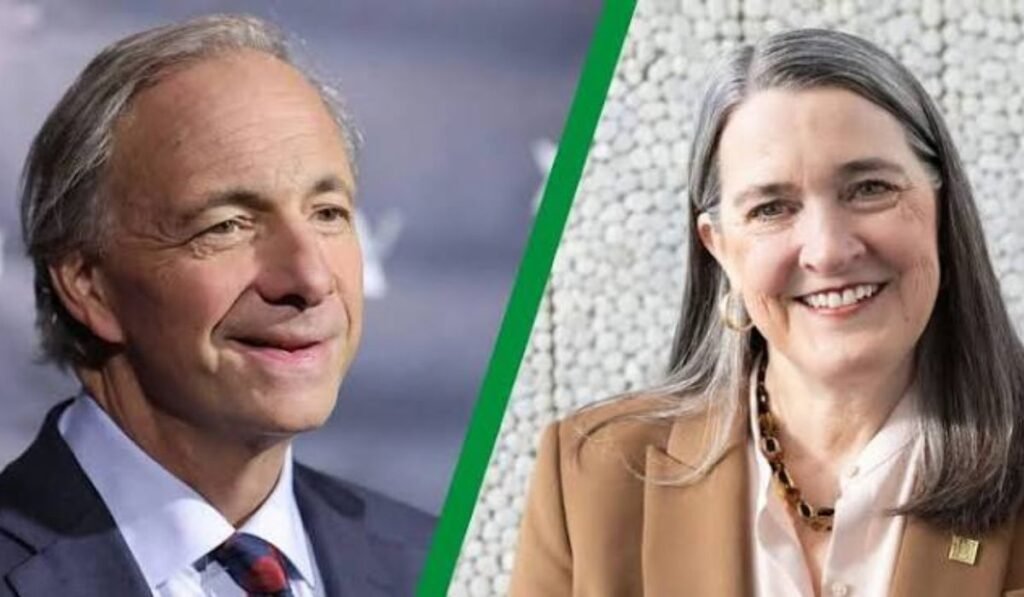
Ray Dalio and Patricia Poppe represent two very different corners of American business, yet both built reputations on tackling hard problems head-on. One shaped global macro investing, the other reshaped utility leadership in California, and together their stories reveal how varied great leadership can look.
Comparing Ray Dalio and Patricia Poppe side by side shows how economic decisions and operational reform demand distinct skill sets. Dalio focused on financial risk and market conditions, while Poppe tackled wildfire risk and service reliability, proving strong leadership takes many forms.
Ray Dalio: Building a Business Around Economic Decisions
Ray Dalio launched Bridgewater Associates in 1975 out of his New York City apartment, turning a small advisory shop into a major force in institutional investments. Early work centered on market commentary and helping clients understand financial risk.
The firm’s reputation grew through global macro investing, an approach built on tracking economic growth, inflation, and monetary conditions. By 1987, Bridgewater managed a bond account for the World Bank pension fund, cementing its place in investment management.
- Founded Bridgewater from an apartment in 1975
- Built expertise in investment research and economic change
- Landed a landmark World Bank pension mandate in 1987
What the All Weather Strategy Tried to Solve
Introduced in 1996, the All Weather Strategy addressed a hidden flaw: portfolios that looked diversified but leaned on one economic outcome. It centered portfolio risk and asset allocation around shifting conditions rather than fixed forecasts, aiming for resilience, not guaranteed gains.
- Focused on portfolio diversification across economic surprises
- Prioritized risk management over predicting single outcomes
- Aimed for steadiness through changing market risk
His Departure From Ownership
Ray Dalio’s role as founder differs from his current standing. He stepped down as CEO in 2017, transferred control in 2022, and sold his remaining ownership stake in July 2025, according to Reuters. This business succession means he no longer owns Bridgewater today.
- Left the CEO seat in 2017
- Transferred control to new leadership in 2022
- Completed his ownership exit in July 2025
Patricia Poppe: From Factory Operations to Utility Leadership
Patricia Poppe, often called Patti Poppe, built her career from the ground up. She spent 15 years at General Motors, then moved into the energy industry through DTE Energy, gaining hands-on experience as a power plant director before stepping into bigger executive roles.
She later led CMS Energy and Consumers Energy before becoming PG&E Corporation’s CEO in January 2021. At UC Berkeley’s Haas School of Business, she described once wanting only to be a plant manager until a mentor pushed her toward wider executive leadership.
- Spent 15 years in manufacturing at General Motors
- Advanced through DTE, CMS, and Consumers Energy
- Became PG&E’s CEO on January 4, 2021
Taking Charge After Bankruptcy
Poppe joined PG&E roughly six months after it exited bankruptcy in July 2020. The California Public Utilities Commission had approved reorganization with strict regulatory oversight. In April 2021, CPUC flagged vegetation clearance shortfalls, adding early regulatory challenges to her tenure.
- Arrived soon after PG&E’s 2020 bankruptcy exit
- Inherited conditions tied to corporate governance
- Faced enhanced enforcement over vegetation lapses
Turning Safety Priorities Into Physical Work
Under Poppe, PG&E prioritized moving power lines underground across high fire-risk areas. By October 2025, the company had energized 1,000 miles of underground power lines spanning 27 California counties, turning safety priorities into visible infrastructure improvements for customers.
- Launched the undergrounding program in 2021
- Reached 1,000 miles of buried lines by October 2025
- Covered high-risk zones across 27 counties
Read Also This: Elmer Heinrich: Biography, Career, Achievements, Net Worth, and Legacy
How Their Leadership Approaches Compare
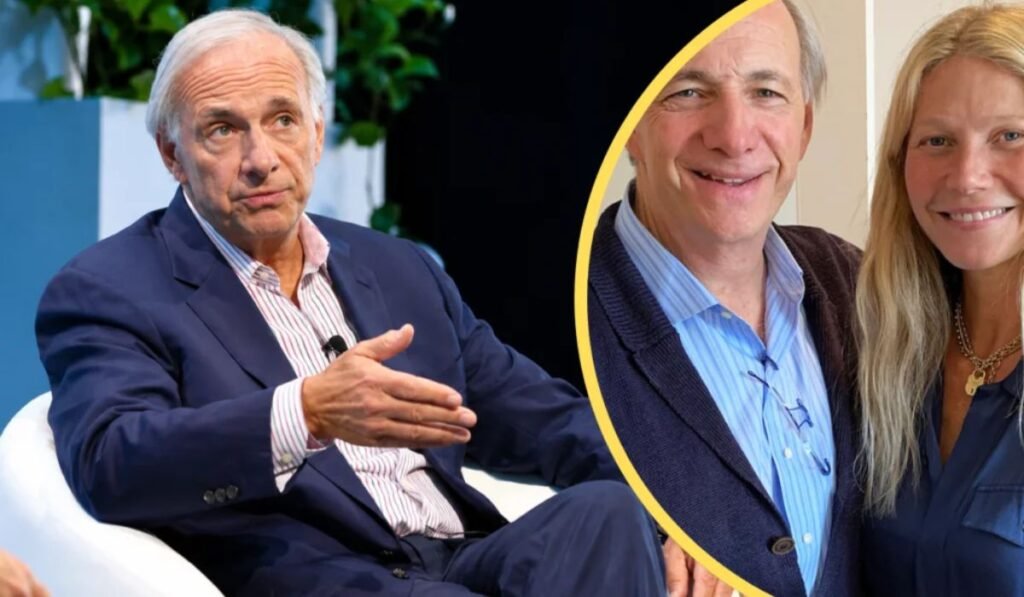
Ray Dalio’s management philosophy pushes employees to challenge reasoning, debate mistakes openly, and question superiors, aiming for sharper decision-making through disagreement. Patricia Poppe instead describes “leading with love,” blending workplace relationships with lean management habits from her manufacturing years.
Despite different industries, both leaders value making problems visible and pushing employee accountability. Dalio answers to investment results and client objectives; Poppe answers to safety, reliable service, and fair customer rates, as defined by utility regulation.
- Dalio: open communication and critical thinking drive results
- Poppe: problem-solving through empathy and frontline ownership
- Both prioritize transparency over hiding organizational weaknesses
Career Snapshot Comparison
| Category | Ray Dalio | Patricia Poppe |
| Company | Bridgewater Associates | PG&E Corporation |
| Industry | Investment management | Energy infrastructure |
| Key Role | Founder, former CEO | CEO |
| Signature Move | All Weather Strategy | Undergrounding power lines |
Dalio’s Career Timeline
| Year | Milestone |
| 1975 | Founded Bridgewater Associates |
| 1987 | Managed World Bank pension bond account |
| 1996 | Launched All Weather Strategy |
| 2017–2025 | Stepped down, then exited ownership |
Poppe’s Career Timeline
| Year | Milestone |
| — | 15 years at General Motors |
| — | Power plant director at DTE Energy |
| — | Led CMS Energy and Consumers Energy |
| 2021 | Became PG&E Corporation CEO |
Leadership Style at a Glance
| Trait | Ray Dalio | Patricia Poppe |
| Core Value | Radical debate | Leading with love |
| Focus Area | Financial risk, markets | Safety, infrastructure |
| Regulatory Body | Less applicable | CPUC oversight |
| Accountability | Client objectives | Customer rates and reliability |
Frequently Asked Questions
Who are these two well-known leaders?
Ray Dalio and Patricia Poppe built careers in different industries, with strong leadership, business, and organizational experience.
What is Ray Dalio known for?
Ray Dalio and Patricia Poppe are linked through leadership themes, while Dalio is known for founding Bridgewater Associates.
What is Patricia Poppe known for?
Ray Dalio and Patricia Poppe represent different leadership paths, with Poppe recognized for executive roles in major energy companies.
Did they work in the same industry?
Ray Dalio and Patricia Poppe worked in different fields, as Dalio focused on finance while Poppe built an energy career.
What leadership lessons do they represent?
Ray Dalio and Patricia Poppe show how leadership can develop through decision-making, responsibility, teamwork, and long-term professional experience.
What companies are associated with them?
Ray Dalio and Patricia Poppe have connections to Bridgewater Associates and PG&E, reflecting their different professional leadership backgrounds.
Why are their careers interesting to compare?
Ray Dalio and Patricia Poppe offer different career stories that highlight leadership, business growth, organizational change, and professional achievement.
Final Thoughts
Ray Dalio and Patricia Poppe show that strong leadership isn’t one-size-fits-all. One mastered economic uncertainty through disciplined investment risk management, while the other rebuilt trust in energy services through safety and accountability, proving leadership approach matters more than industry.
Whether guiding financial markets or overhauling energy infrastructure, Ray Dalio and Patricia Poppe prove that transparency, accountability, and willingness to confront hard truths define lasting corporate leadership. Their contrasting paths still share one thread: solving problems others might avoid.