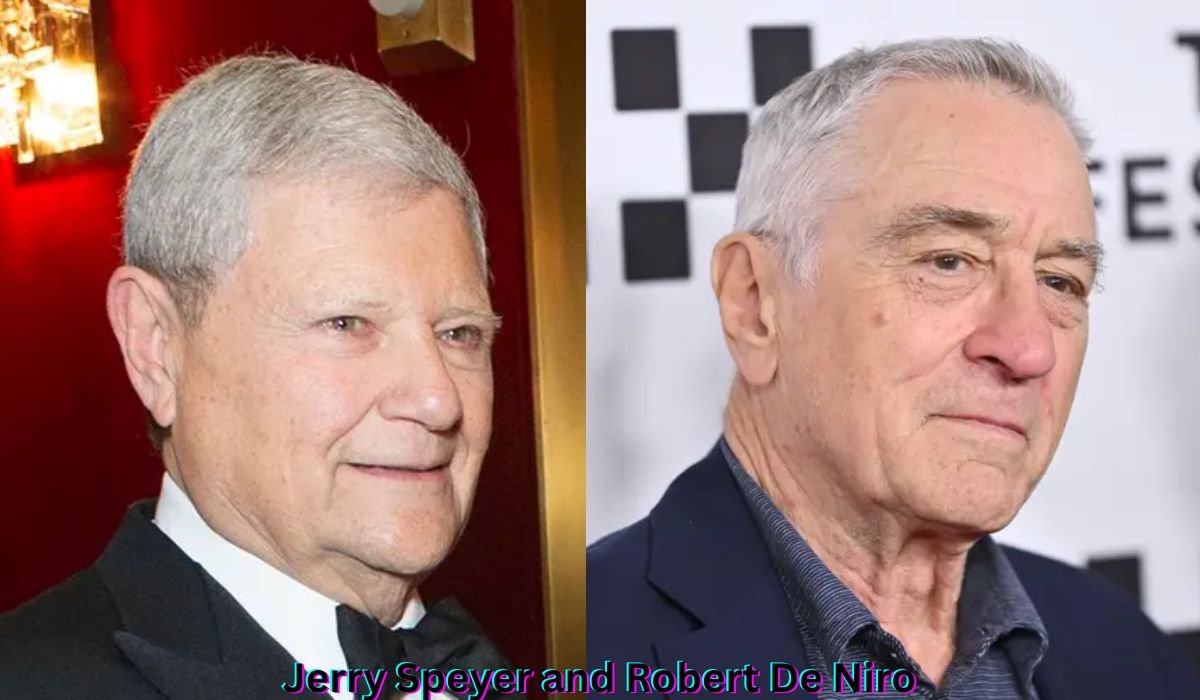
Jerry Speyer and Robert De Niro are two names that instantly bring New York City to mind, yet their journeys unfolded in completely different worlds. One shaped skylines through real estate development, while the other shaped culture through American cinema and storytelling.
This article looks closely at Jerry Speyer and Robert De Niro, tracing how a real estate developer and a legendary actor each left their own mark on Manhattan. Together, their stories reveal how business and culture quietly shape a city’s identity.
Jerry Speyer: A Major Figure in New York Real Estate
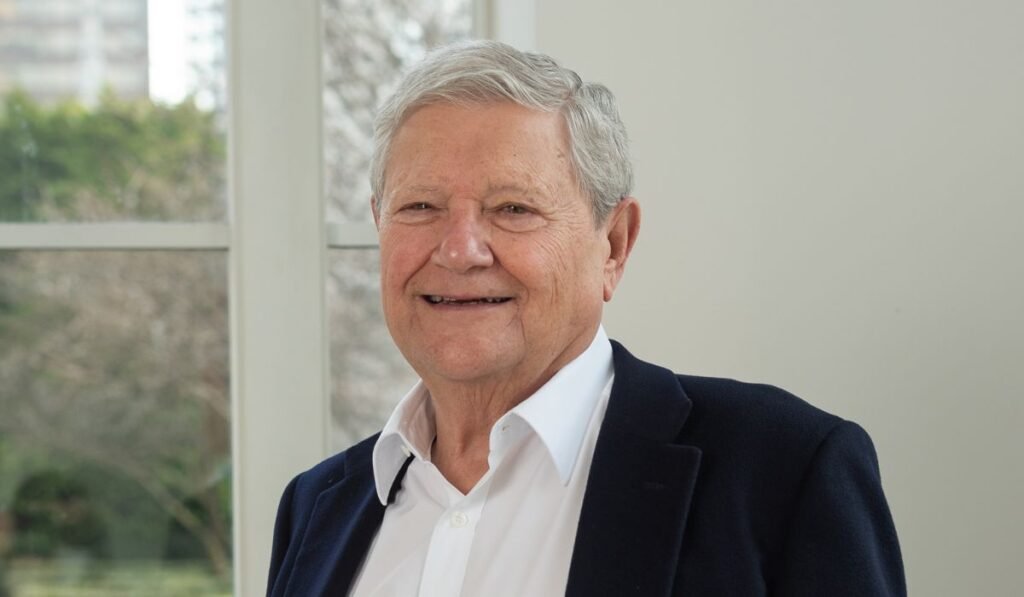
Jerry Speyer built his name as a respected real estate developer, known for large-scale commercial properties and long-term property management. His approach to real estate investment helped shape parts of New York’s skyline over several decades of steady growth.
- Founding partner of a major real estate investment firm
- Focused on commercial real estate and long-term property development
- Known for disciplined, steady leadership in urban development
His influence goes beyond individual deals, touching how business districts across New York City continue to grow and function today.
The Growth of Tishman Speyer
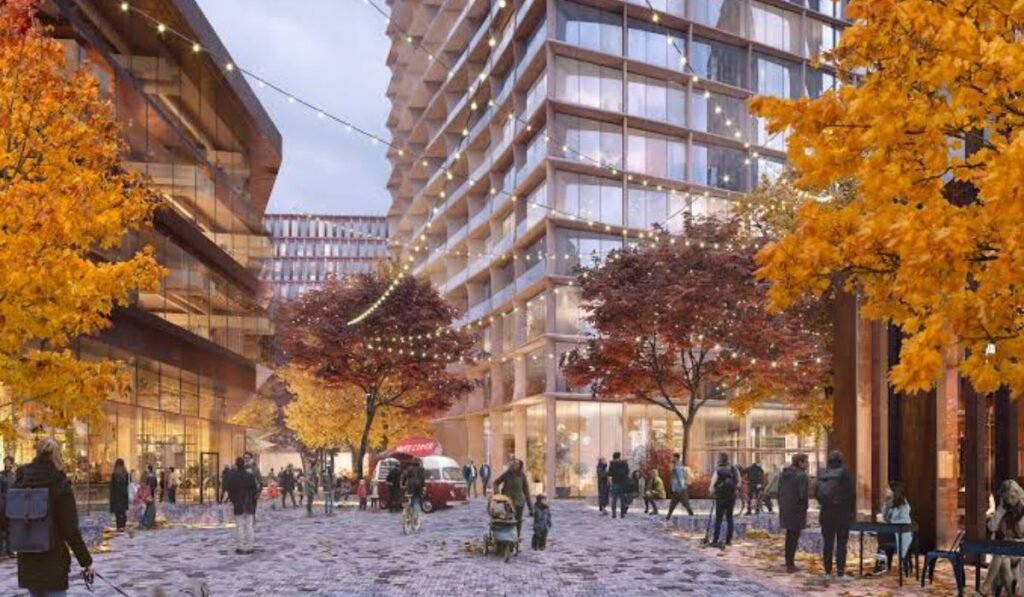
Jerry Speyer co-founded Tishman Speyer with Robert Tishman in 1978, turning a local firm into a global name in property development. The company grew through financing, leasing, and hands-on maintenance of major assets.
- Expanded into office buildings, residential properties, and mixed-use developments
- Managed complex urban projects across multiple cities worldwide
- Built a reputation for reliable commercial properties and property investment
Tishman Speyer’s growth shows how patient, long-term real estate investment can quietly reshape entire business districts over time.
Jerry Speyer and New York’s Landmark Properties
Tishman Speyer has long been associated with two of Manhattan’s most iconic addresses: Rockefeller Center and the Chrysler Building. These New York landmarks represent decades of careful property management and architectural pride.
- Linked to Rockefeller Center, a symbol of New York City
- Associated with the Chrysler Building, a classic of Manhattan architecture
- Properties that support economic activity and daily urban life
Such landmark buildings do more than house tenants; they anchor business districts and shape how the world sees New York.
Jerry Speyer’s Civic and Community Contributions
Beyond commercial real estate, Jerry Speyer has been active in civic organizations, educational organizations, and various cultural institutions. This side of his career highlights how business leaders often extend their influence into public life.
- Supported community organizations across New York City
- Involved in civic involvement tied to education and culture
- Contributed to community development beyond real estate
His public activities show that lasting influence in a city often comes from combining business success with genuine civic life participation.
Robert De Niro: From New York Actor to Global Star
Robert De Niro was born in New York City in 1943 and grew into one of the most respected names in American cinema. His early training in theater shaped a disciplined, detail-driven approach to acting.
- Rose to fame through intense, memorable movies
- Known for deep preparation and character commitment
- Worked with many acclaimed directors across genres
His path from stage to screen helped define a new standard for serious, transformative performances in modern American cinema.
Robert De Niro’s Academy Awards and Film Legacy
Robert De Niro has won two Academy Awards, cementing his film legacy. He earned Best Supporting Actor for playing young Vito Corleone in The Godfather Part II, and Best Actor for portraying Jake LaMotta in Raging Bull.
| Film | Role | Award |
| The Godfather Part II | Vito Corleone | Best Supporting Actor |
| Raging Bull | Jake LaMotta | Best Actor |
| Taxi Driver | Travis Bickle | Nominated |
| Goodfellas | Jimmy Conway | Career milestone |
His long partnership with director Martin Scorsese produced Mean Streets, Taxi Driver, Raging Bull, Goodfellas, and Cape Fear, all landmarks of filmmaking.
De Niro’s Work Outside Hollywood
In 1989, Robert De Niro co-founded Tribeca Productions with Jane Rosenthal, expanding into film production beyond acting. He later entered the hospitality industry through Nobu, alongside chef Nobu Matsuhisa and businessman Meir Teper.
- Built Tribeca Productions as a serious force in the entertainment industry
- Co-created Nobu restaurants and hotels worldwide
- Balanced Hollywood fame with hands-on business ventures
This mix of acting, producing, and hospitality industry ventures shows a career built well beyond traditional Hollywood boundaries.
Why Tribeca Matters to Robert De Niro
Tribeca, in Lower Manhattan, was once dominated by warehouses and industrial buildings before becoming a hub of restaurants, galleries, and creative energy. Robert De Niro’s ventures helped strengthen this evolving neighborhood identity.
- Connected his name to Tribeca’s creative revival
- Supported restaurants, hotels, and local creative businesses
- Helped attract artists and cultural organizations to the area
His presence didn’t transform Tribeca alone, but it became a meaningful thread in the neighborhood’s broader cultural story.
The Tribeca Film Festival
The Tribeca Film Festival was founded in 2002 by Robert De Niro, Jane Rosenthal, and Craig Hatkoff. It emerged after the September 11 attacks, aiming to support Lower Manhattan recovery through culture and community.
- Brought together filmmakers, actors, and global audiences
- Became a major film festival on the international calendar
- Helped restore creative activity to Lower Manhattan
Today, the Tribeca Film Festival stands as one of Robert De Niro’s most lasting contributions to New York’s cultural identity.
How Tribeca Became a Different Neighborhood
Tribeca transformation was gradual, driven by real estate investment, conversion of industrial buildings, and residential growth rather than any single figure. Artists, galleries, and cultural organizations all played a part.
| Era | Key Change |
| Pre-1970s | Dominated by warehouses and industry |
| 1970s–1990s | Conversion of industrial buildings begins |
| 2000s | Tribeca Film Festival boosts identity |
| Today | Mix of commercial spaces and homes |
This urban transformation reflects how neighborhood development usually results from many overlapping efforts, not one individual’s vision.
So, What Is the Connection Between Jerry Speyer and Robert De Niro?
The real link between Jerry Speyer and Robert De Niro is their shared connection to New York City, not a documented partnership. One represents the business sector, the other entertainment and culture.
- Speyer reflects urban development and real estate investment
- De Niro reflects entertainment, culture, and civic life
- Both engaged with cultural institutions in different ways
Their stories intersect through the city itself, showing how varied industries quietly shape the same city identity.
Did Jerry Speyer and Robert De Niro Ever Work Together?
There is no confirmed public record showing Jerry Speyer and Robert De Niro as direct business partnership collaborators on any major Tribeca project. Describing them as partners would misrepresent the facts.
| Question | Answer |
| Confirmed business partnership? | No public record exists |
| Shared industry? | No, different fields entirely |
| Shared city influence? | Yes, both shaped New York |
A more accurate view treats them as two influential figures whose real estate investment and cultural activity developed independently.
Real Estate and Culture: Two Different Ways to Shape a City
Real estate provides the physical foundation through buildings, office buildings, and residential properties, while culture gives those spaces meaning through movies, festivals, and creative businesses that define neighborhood identity.
- Real estate drives economic growth and urban life
- Culture builds cultural influence and emotional connection
- Together they shape lasting business influence and civic pride
New York City continues to grow through this balance between urban development and cultural development, each reinforcing the other.
Read Also This: Miguel Patricio and Albert Bourla: Comparing Two Remarkable Global Leadership Careers
Jerry Speyer vs. Robert De Niro

| Category | Jerry Speyer | Robert De Niro |
| Main field | Real estate | Film and entertainment |
| Major role | Real estate developer | Actor and film producer |
| Major organization | Tishman Speyer | Tribeca Productions |
| New York connection | Commercial real estate, major properties | Film, hospitality, and Tribeca culture |
| Broader influence | Business and urban development | Entertainment and cultural activity |
Frequently Asked Questions
What is the connection between these two New York figures?
Jerry Speyer and Robert De Niro are both strongly connected to New York through real estate, culture, and business.
How is Jerry Speyer connected to New York?
Jerry Speyer and Robert De Niro are associated with New York through Speyer’s long-running real estate activities.
What is Robert De Niro known for in New York?
Jerry Speyer and Robert De Niro have different professional backgrounds, as De Niro is known mainly for acting.
Did these two men work together?
There is no widely documented major business partnership between Jerry Speyer and Robert De Niro in public sources.
Why are they mentioned together?
Jerry Speyer and Robert De Niro may be discussed together when examining influential figures connected to New York City.
What industries do these two figures represent?
Jerry Speyer and Robert De Niro represent different industries, including commercial real estate and entertainment.
What makes their New York influence different?
Jerry Speyer and Robert De Niro have shaped different parts of New York’s public and professional landscape.
Final Thoughts
Jerry Speyer and Robert De Niro represent two very different but equally powerful ways of shaping a city. One built through steel, leases, and urban development; the other through storytelling, festivals, and cultural identity rooted in community.
Neither man alone explains New York’s growth, but together Jerry Speyer and Robert De Niro illustrate how real estate and culture combine to create the layered, ever-evolving identity of the city both call home.