Businesses need effective ways to explain their services, attract potential customers, and communicate what makes their offerings valuable. Brochures provide a convenient solution by combining helpful information with engaging visuals in a compact format. When planned carefully, they can introduce a brand, highlight important benefits, and encourage readers to take meaningful action.
The Importance of Brochures in Marketing
A brochure is a printed or digital document that presents information about a business, product, service, event, or organization. It may include photographs, short descriptions, illustrations, contact details, and other relevant information. Depending on its purpose, it can be designed as a folded leaflet, a single-page handout, or a multi-page publication.
Brochures remain useful across different industries. Restaurants can introduce their menus, educational institutions can explain available courses, and travel agencies can showcase holiday destinations. Small businesses can distribute printed copies locally, while digital versions allow organizations to reach audiences through websites and email.
One important advantage is convenience. Readers can review the information whenever they have time instead of relying entirely on a conversation or advertisement.
Decide What Your Brochure Should Achieve
Before designing a brochure, establish its primary purpose. You might want to introduce a new product, promote a seasonal offer, explain a service, or encourage people to attend an event. A clear objective helps you select relevant information and avoid unnecessary details. Consider your intended audience and the questions they may have. For example, someone considering a home renovation service may want to understand the available options, expected benefits, and ways to request a quotation.
Think about the action you want readers to take after reading the brochure. Your goal could be to generate inquiries, encourage website visits, increase event attendance, or help customers understand a product.
Create an Attractive and Consistent Design
The visual appearance of a brochure influences how readers perceive the business behind it. A clean, organized layout can make information easier to understand and create a professional impression. Start by selecting colors that match your brand identity. Using a small group of complementary colors helps maintain consistency. Choose readable fonts and make headings visually distinct from ordinary paragraphs.
Images should support the message rather than distract from it. A restaurant might display photographs of popular dishes, while a fitness center could show its facilities and activities. High-quality images are particularly important when brochures are printed. White space also deserves attention. Leaving enough room between text sections and pictures prevents the layout from feeling crowded. Readers should be able to identify important information without searching through unnecessary decorations.
Use Digital Design Tools Effectively
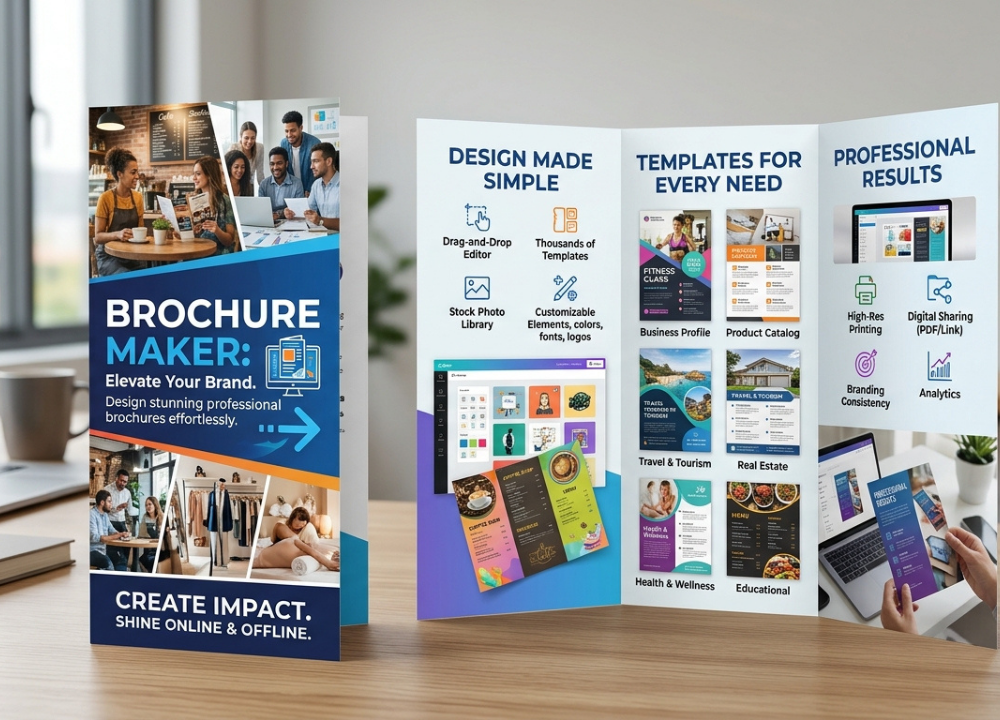
A brochure maker provides an accessible way to create promotional documents through customizable templates and editing features. Many online platforms allow users to change colors, arrange text, upload images, and adjust layouts without advanced graphic design experience.
Choose a template that suits your industry and communication goals. Replace all sample information with accurate content, then adjust the design to reflect your brand. Review the document at different sizes to ensure that headings, images, and contact details remain clear. Templates can save time, but personalization is essential. Your brochure should communicate your own message rather than look like a generic design used by many other businesses.
Include the Right Information
A useful brochure should answer the reader’s main questions. Include your business name, a brief introduction, important features, customer benefits, and accurate contact details. Depending on your purpose, you may also need prices, opening hours, service descriptions, event dates, or instructions. Finish with a clear call to action, such as visiting your website, requesting information, or booking an appointment.
Keep the language direct and avoid repeating the same point. Concise writing gives readers more time to focus on the information that matters.
Review Before Publishing
Careful proofreading can prevent mistakes that damage a professional impression. Check spelling, grammar, dates, prices, and contact information. Make sure images are clear and text is positioned correctly. For printed copies, verify the paper size, margins, and folding arrangement. For digital distribution, export the document as a suitable PDF and test any clickable links before sharing it.
Conclusion
A successful brochure combines clear information, appealing visuals, and a well-organized layout. By understanding your audience, choosing an appropriate design, and reviewing every detail, you can create promotional materials that communicate confidently. Whether shared online or distributed in print, a thoughtfully prepared brochure can support marketing activities, strengthen brand recognition, and help customers make informed decisions.