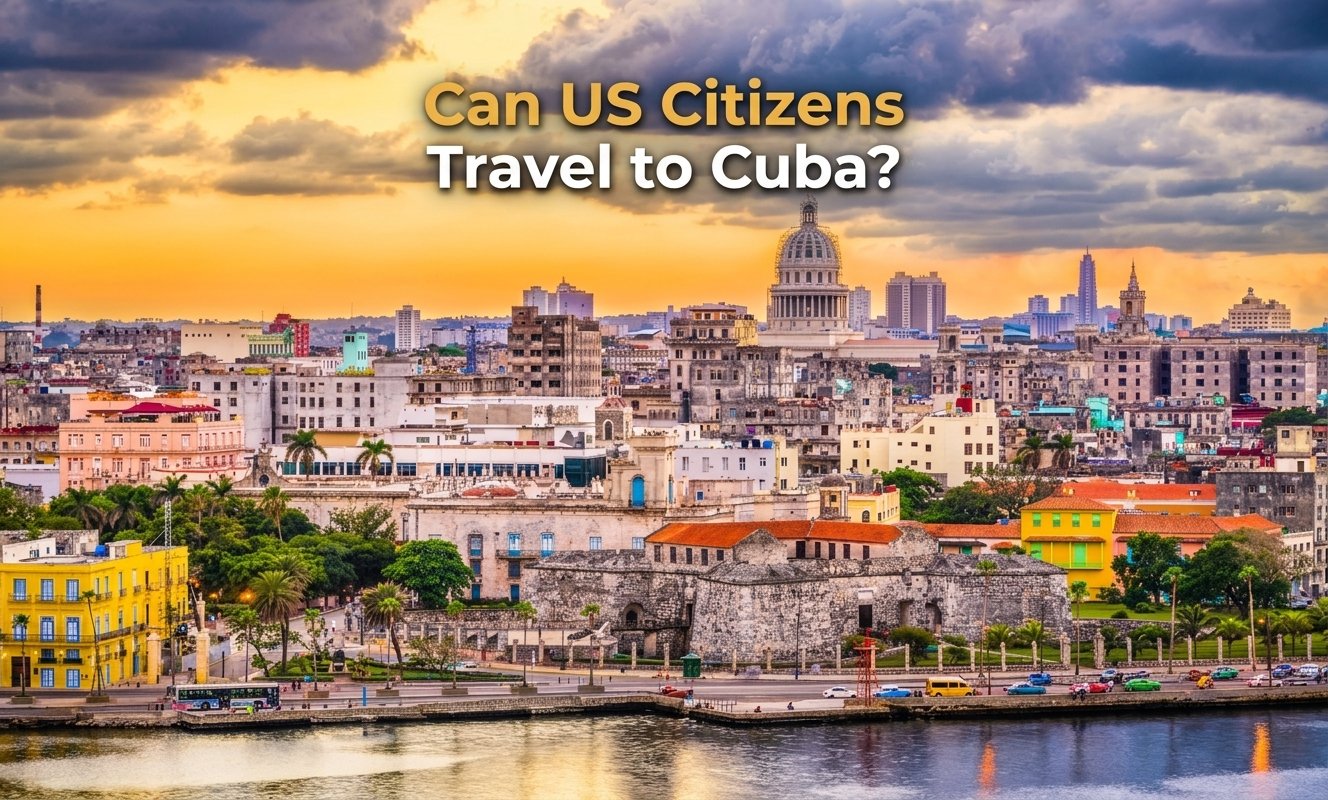
Cuba is a Caribbean destination famous for its historic architecture, colorful streets, traditional music, beautiful beaches, and distinctive culture. Havana attracts visitors interested in history, local food, architecture, and Cuban traditions. However, traveling to Cuba involves additional legal requirements for people connected to the United States.
One common question among American travelers is Can US Citizens Travel to Cuba for a vacation, educational activity, or family visit? The answer is yes, but important restrictions apply. Ordinary tourist travel is generally prohibited under US regulations. Americans must qualify under an authorized travel category established by the US Department of the Treasury’s Office of Foreign Assets Control (OFAC).
These requirements cover more than the purpose of a visit. They can affect accommodation, financial transactions, transportation, and other travel arrangements. Cuba also has separate passport, visa, insurance, and immigration requirements.
Can US Citizens Travel to Cuba Legally?
Yes. US citizens can legally visit Cuba when their travel-related transactions qualify under an applicable OFAC general license or specific license.
However, permission to enter Cuba under Cuban immigration rules is different from authorization under US sanctions regulations. Having a valid passport, airline ticket, or Cuban visa does not automatically satisfy US legal requirements.
Understanding US Government Travel Restrictions
The United States maintains economic sanctions involving Cuba. OFAC administers these restrictions through the Cuban Assets Control Regulations (CACR), contained in Title 31, Part 515 of the Code of Federal Regulations.
These regulations control certain financial and commercial transactions involving Cuba and establish circumstances in which travel-related transactions may be authorized.
The rules generally apply to:
- US citizens, wherever they live.
- US permanent residents, regardless of location.
- Individuals physically present in the United States.
- Certain companies and organizations subject to US jurisdiction.
An American citizen living abroad generally remains subject to applicable US Cuba sanctions.
Authorized Travel vs. Ordinary Tourism
Authorized travel involves activities that qualify under an applicable OFAC general or specific license.
Ordinary tourism generally includes recreational holidays, sightseeing, beach visits, shopping, and entertainment without another qualifying purpose.
For example, visiting museums or historic buildings during an ordinary vacation does not automatically make the journey educational.
Travelers must have a genuine qualifying purpose and follow the conditions of the applicable authorization throughout their visit.
The 12 Authorized Categories of Travel to Cuba
OFAC identifies 12 categories of activities under which certain travel-related transactions may be authorized. These categories are important when understanding Can US citizens travel to Cuba, because US travelers must ensure their activities qualify under an applicable authorization described in 31 CFR § 515.560(a).
They include:
- Family visits.
- Official business of the US government, foreign governments, and certain intergovernmental organizations.
- Journalistic activities.
- Professional research and historically authorized professional meetings.
- Educational activities.
- Religious activities.
- Athletic competitions involving amateur or semiprofessional athletes or teams.
- Support for the Cuban people.
- Humanitarian projects.
- Activities of private foundations and qualifying research or educational institutions.
- Exportation, importation, or transmission of information and informational materials.
- Certain authorized export transactions.
The existence of these categories does not mean every activity is automatically permitted. Each has specific conditions.
Family Visits and Official Government Business
Family visits are an established category of authorized travel. Eligible Americans may visit qualifying relatives in Cuba when they meet OFAC’s definition of family and other applicable conditions.
Official government business covers qualifying activities conducted on behalf of the US government, foreign governments, and certain intergovernmental organizations.
Journalistic Activities and Professional Research
Journalistic activities may include legitimate reporting, interviewing, information gathering, and preparing material for publication.
Professional research may qualify when it relates to the traveler’s professional background or area of expertise.
Taking photographs or collecting general information during a vacation does not automatically establish eligibility.
Important 2026 change: OFAC removed the general authorization for professional meetings and conferences effective September 30, 2026. Professional research remains a separate category when its requirements are satisfied.
Educational and Religious Activities
Certain educational activities remain authorized under revised requirements. Accredited US undergraduate and graduate-degree institutions have specific authorization for qualifying educational activities under their auspices.
Other qualifying educational activities must satisfy organizational and supervision requirements. The previous general authorization for group people-to-people educational travel was removed.
Support for the Cuban People and Humanitarian Projects
Support for the Cuban people covers certain activities that genuinely benefit independent Cuban civil society.
Qualifying activities may involve supporting independent organizations, encouraging meaningful interaction with Cuban residents, and assisting initiatives that promote greater independence.
Humanitarian projects may include qualifying disaster relief, medical assistance, and activities addressing basic human needs.
Athletic Events, Information Materials, and Export Activities
Certain athletic competitions involving amateur or semiprofessional athletes and teams may qualify.
Another category covers the exportation, importation, or transmission of information and informational materials.
Certain authorized export transactions are also included. These activities must comply with applicable US export-control requirements.
Private Foundations and Research Institutions
Private foundations and qualifying research or educational institutions have a separate category for certain activities involving Cuba.
Eligible projects may include research, educational programs, and institutional activities that satisfy regulatory requirements.
Working for a nonprofit organization or educational institution does not automatically qualify someone to travel under this category.
Do US Citizens Need an OFAC License to Visit Cuba?
OFAC authorization is necessary for applicable Cuba-related travel transactions, but travelers do not always need to submit an individual license application. Can US citizens travel to Cuba requires knowing that many qualifying trips can proceed under an existing general license, provided travelers meet all its conditions.
How OFAC General Licenses Work
A general license is an authorization published in OFAC regulations. It permits specified transactions when the traveler and activities meet its requirements. For example, an eligible family visit may qualify under the family-visit general license.
Travelers generally do not need separate individual approval when their activities satisfy every condition of the applicable general license.
When Is a Specific License Required?
A specific license is an individual authorization issued by OFAC. It may be necessary when a proposed transaction is not covered by an existing general license but could qualify for individual approval.
Applicants must provide relevant details and supporting information. Approval is not guaranteed.
Submitting an application does not authorize travelers to proceed before the required approval is granted.
How to Check Whether Your Trip Qualifies
Before booking:
- Identify the genuine purpose of your visit.
- Review the current OFAC travel categories.
- Determine whether a general license applies.
- Check financial and accommodation restrictions.
- Prepare supporting documents and receipts.
Travelers should use current OFAC guidance rather than relying entirely on older travel articles.
What Are the Cuba Travel Restrictions for Americans?
US restrictions can affect travel purposes, financial transactions, accommodation, and certain business relationships.
Why Ordinary Tourist Travel Is Not Authorized
Ordinary recreational tourism is not an authorized purpose under US Cuba regulations. An American cannot simply plan a recreational holiday without satisfying an applicable authorization.
Activities such as visiting beaches, exploring historic neighborhoods, enjoying restaurants, and taking photographs may occur during an otherwise authorized trip. However, these activities do not independently qualify a traveler.
Educational and Professional Travel Restrictions
Educational and professional travel rules changed on September 30, 2026. OFAC removed the previous general authorization for group people-to-people educational travel and professional meetings or conferences.
Certain educational activities must now meet revised institutional and supervision requirements.
A limited grandfathering provision applies to certain previously arranged educational travel when the traveler completed at least one qualifying travel-related transaction before September 30, 2026.
Cuba Restricted List and Accommodation Restrictions
The Cuba Restricted List identifies entities and subentities with which certain direct or indirect financial transactions are restricted.
The Cuba Prohibited Accommodations List identifies properties that US persons generally cannot use for lodging-related transactions under applicable restrictions.
These lists serve different purposes. Travelers should check both where relevant before arranging accommodation or payments.
Financial Transaction Restrictions
Certain financial transactions involving Cuba are restricted. Effective September 30, 2026, OFAC expanded restrictions to cover certain indirect financial transactions involving entities on the Cuba Restricted List.
Using a foreign bank account, another country’s currency, or a third-party payment service does not automatically remove US sanctions obligations.
What Documents Do US Citizens Need to Travel to Cuba?
Travelers should prepare both US compliance documents and Cuban immigration documents. Before planning a trip, anyone researching Can US citizens travel to Cuba should understand that meeting US travel requirements and satisfying Cuba’s entry rules are two separate responsibilities.
US Passport Requirements
US citizens need a valid US passport for international travel to Cuba. Travelers should check the passport’s validity and Cuban entry conditions before departure.
Additional requirements apply to Cuban-born US citizens and certain dual nationals. Cuba generally treats Cuban nationals as Cuban citizens, even when they also hold US citizenship.
Cuban-born Americans may need to enter and leave Cuba using a Cuban passport or qualifying documentation from Cuban authorities.
Cuban Visa and Entry Authorization
US citizens generally need the appropriate Cuban visa or entry authorization. Cuba has introduced electronic visa arrangements, so travelers should verify the current application process through Cuban government or consular authorities.
Airlines may also provide information about the required travel documentation. A Cuban visa provides permission under Cuban immigration rules. It does not replace OFAC authorization.
Medical Insurance and Health Documentation
Cuba requires visitors to have medical insurance from a non-US provider. Certain airlines include Cuba-compliant medical insurance in ticket prices. Travelers should confirm their exact coverage before departure.
The insurance described by the US Department of State typically covers the first 30 days. Longer stays may require additional coverage.
Travelers should check whether their policy covers emergency treatment, hospital admission, and medical evacuation.
D’Viajeros Entry Form
Cuba uses an online traveler information system called D’Viajeros. Passengers must complete this form within seven days before traveling. After submitting the information, they should save the confirmation and QR code.
Important documents may include:
- Valid US passport.
- Cuban visa or entry authorization.
- Medical insurance documentation.
- Flight and accommodation information.
- Supporting records for the authorized travel category.
Entry procedures can change, so travelers should verify the latest requirements before departure.
Read more:300+ Saturday Blessings and Quotes with Inspiring Images for Joyful Days
How Can US Citizens Travel to Cuba?
Once travelers establish that their journey qualifies under US regulations, they can arrange transportation.
Booking Direct Flights From the United States
Direct flights connect selected US airports with destinations in Cuba. Available routes and schedules depend on airlines, demand, and operational conditions. Travelers should check current schedules directly with airlines.
A direct flight does not automatically establish that the traveler’s purpose is authorized.
Airlines may ask passengers to identify their applicable OFAC travel category when purchasing tickets or completing travel documentation.
Understanding Airline Requirements
Airlines may request passport details, Cuban entry documents, insurance information, and an OFAC travel-category certification.
Requirements can differ between airlines. Passengers should confirm documentation, baggage allowances, payment procedures, and cancellation policies before booking.
Traveling Through a Third Country
Some Americans consider traveling to Cuba through Mexico or Canada. However, changing the departure airport does not remove US sanctions obligations.
American citizens remain subject to applicable OFAC regulations even when traveling outside the United States. Flying through a third country does not turn an ordinary tourist trip into an authorized journey.
Preparing Before Departure
Before leaving, check your passport, Cuban entry authorization, insurance, airline instructions, and OFAC compliance documents.
Prepare an itinerary that reflects the authorized purpose of your visit. Keep printed and digital copies of important documents and review government travel advisories shortly before departure.
Where Can US Citizens Stay in Cuba?
Accommodation requires careful planning because certain properties are affected by US restrictions. When considering Can US citizens travel to Cuba, travelers should check whether their chosen hotels or other lodging providers are subject to US restrictions before making reservations.
Hotels and Accommodation Restrictions
Cuba has hotels in destinations such as Havana, Varadero, and Santiago de Cuba. However, some properties appear on the Cuba Prohibited Accommodations List.
US travelers should check the current list before booking. They should also verify whether payments to the property or associated entities are restricted.
The property’s full name and address should be checked rather than relying only on a booking platform’s description.
Private Guesthouses and Casa Particulares
Casa particulares are privately operated accommodation options, often consisting of rooms or guesthouses in residential properties. They can provide opportunities to experience local neighborhoods and interact with Cuban hosts.
However, private accommodation is not automatically exempt from US restrictions. Travelers should verify that the property is not prohibited and that associated payments are permitted.
Checking Properties Before Booking
Before confirming accommodation:
- Obtain the property’s full name and address.
- Check the current Cuba Prohibited Accommodations List.
- Review relevant OFAC financial restrictions.
- Confirm permitted payment arrangements.
- Keep booking confirmations and receipts.
How Much Does It Cost to Travel to Cuba?
The cost of visiting Cuba depends on airfare, accommodation, trip duration, food, and transportation. There is no single price that applies to every traveler.
Flight Ticket Expenses
Airfare is often one of the largest travel expenses. Prices depend on the departure airport, airline, booking date, travel season, and available seats.
Compare complete ticket prices rather than looking only at advertised base fares. Review cancellation conditions and additional charges before making payment.
Accommodation and Food Costs
Accommodation expenses depend on location, property type, facilities, and travel dates. Hotels and private guesthouses may have different prices and payment conditions.
Food expenses also vary according to restaurant choices and personal preferences. Travelers should research current prices instead of relying on estimates from outdated travel articles.
Local Transportation and Daily Expenses
Local transportation may include taxis, buses, and other available services. Fuel shortages, electricity problems, and infrastructure limitations can affect transportation availability.
Daily expenses may include meals, drinking water, communication, entrance fees, and essential purchases.
Travelers should keep some flexibility in their budgets because unexpected delays and service interruptions can increase costs.
Preparing a Travel Budget
A practical budget should include:
- Return airfare.
- Cuban entry authorization.
- Medical insurance.
- Accommodation.
- Meals and drinking water.
- Local transportation.
- Communication expenses.
- Emergency funds.
Travelers should also consider how they will access money because US-issued payment cards generally do not work in Cuba.
Can Americans Use Credit Cards and US Dollars in Cuba?
Financial preparation is particularly important for Americans visiting Cuba.
Credit and Debit Card Limitations
According to the US Department of State, US-issued credit and debit cards do not work in Cuba. Travelers should not depend on their regular bank cards for accommodation, restaurants, transportation, or everyday purchases.
Contact your financial institution before traveling and ask about account access and international restrictions. Using a different payment provider does not automatically make a restricted transaction lawful.
Cash and Currency Exchange
The Cuban peso (CUP) is Cuba’s official currency. Travelers can use US dollars or exchange money through authorized banks, exchange offices, airports, and hotels.
However, these services may be unreliable or unavailable because of electricity and internet problems.
Travelers should bring sufficient cash for expected expenses. Some businesses may refuse damaged, marked, or worn banknotes. They should also check Cuban currency declaration limits before departure.
Planning Payments Before Traveling
Prepare a payment plan before leaving the United States. Contact accommodation providers to confirm accepted payment methods. Check whether planned transactions are permitted under US regulations.
Keeping receipts and payment records can help travelers document their expenses and demonstrate compliance.
Is Cuba Safe for US Citizens to Visit?
Cuba has popular tourist destinations, but visitors should understand current security and infrastructure conditions. The US Department of State lists Cuba at Level 2: Exercise Increased Caution, citing crime and unreliable electrical power.
Common Safety and Security Concerns
Petty theft, pickpocketing, purse snatching, and car break-ins are concerns for visitors. The State Department also reports an increase in violent crime.
Travelers should keep passports and money secure, avoid displaying expensive belongings, and remain aware of their surroundings. Avoid demonstrations and follow local laws and official instructions.
Healthcare and Medical Preparation
Healthcare services may experience shortages of medicines, medical equipment, and other essential supplies. Visitors should bring necessary prescription medication in its original packaging and carry relevant medical information.
They should verify overseas medical coverage and consider insurance that includes emergency medical evacuation. US Medicare and Medicaid generally do not cover medical expenses outside the United States.
Transportation and Emergency Assistance
Transportation conditions can be affected by fuel shortages, electricity problems, and road conditions. Allow extra time for journeys and avoid depending on only one transportation arrangement.
Keep contact information for your accommodation provider, airline, and insurance company. The US Embassy in Havana can provide consular assistance to American citizens. Its published main telephone number is +53-7-839-4100.
What Should Americans Know Before Traveling to Cuba?
Good preparation involves understanding legal responsibilities and practical conditions.
Keeping Records of Authorized Travel Activities
Recordkeeping is an important OFAC compliance responsibility. Travelers relying on general licenses must maintain records supporting their authorized activities and transactions.
Useful documents include:
- Flight confirmations.
- Accommodation receipts.
- Travel schedules.
- Invitations and organizational letters.
- Research or educational materials.
- Records of permitted payments.
Covered records generally must be retained for ten years under applicable OFAC recordkeeping requirements.
Understanding Local Laws and Regulations
Cuba has its own laws governing visitors, public behavior, photography, transportation, customs, and other activities. Travelers should respect local requirements and follow instructions from authorities.
They should also check customs rules concerning medicines, cash, personal belongings, and goods brought into or taken out of the country.
Preparing for Internet and Communication Limitations
Internet and mobile services may be unreliable in Cuba. Power outages can affect communication networks, online services, and electronic payment systems.
Download important documents and maps before departure. Save emergency contacts and share your itinerary with family members or trusted contacts.
Keeping printed copies of essential information provides another option when digital services are unavailable.
Checking Current Travel Advisories
Travel regulations, entry procedures, and safety conditions can change. Before departure, review the US Department of State’s Cuba travel advisory and the latest OFAC sanctions guidance.
Confirm Cuban entry requirements through official Cuban government or consular sources. Checking these sources close to departure helps prevent problems caused by outdated information.
Common Mistakes Americans Should Avoid When Visiting Cuba
Planning a visit requires attention to legal requirements and practical details. Travelers should avoid these common mistakes:
Assuming ordinary tourism is permitted: A recreational vacation is not an authorized US travel category. Travelers must qualify under an applicable authorization.
Confusing a Cuban visa with OFAC authorization: A Cuban entry visa does not automatically make related transactions permissible under US law.
Following outdated travel information: Educational and professional travel rules changed on September 30, 2026. Older articles may describe permissions that are no longer available.
Booking restricted accommodation: Check the applicable accommodation list before confirming a hotel or guesthouse.
Depending on US bank cards: US-issued credit and debit cards generally do not work in Cuba. Prepare a suitable cash and payment plan.
Ignoring recordkeeping responsibilities: Maintain supporting documents that demonstrate compliance with the relevant authorization.
Assuming a third-country route changes the rules: American citizens remain subject to applicable US regulations when traveling through another country.
Ignoring medical preparation: Verify insurance coverage, bring necessary medication, and prepare for possible healthcare limitations.
Avoiding these mistakes makes travel planning more organized and reduces legal and practical risks.
Final Thoughts
So, Can US Citizens Travel to Cuba? Yes, but visiting the country requires careful preparation and compliance with both US and Cuban regulations.
Americans must qualify under an authorized travel category, follow applicable financial restrictions, obtain the correct Cuban entry documents, and arrange suitable medical insurance.
Before booking, review current government guidance and verify accommodation and payment arrangements. Understanding these requirements can help eligible travelers plan their journeys responsibly and avoid unnecessary complications.
FAQs About Can us citizens travel to cuba
1. Can US citizens travel to Cuba legally?
Yes. Americans can visit Cuba when their travel-related transactions qualify under an applicable OFAC general or specific license. Ordinary tourism remains prohibited under US regulations.
2. Can US citizens visit Cuba for tourism?
No. Ordinary recreational tourism is not an authorized travel category under US regulations. A qualifying purpose must support the journey.
3. Can Americans travel to Cuba without an individual OFAC license?
Yes. Travelers may rely on an applicable general license without submitting an individual application, provided they meet all its requirements.
4. Do US citizens need a Cuban visa?
Yes. US citizens generally need the appropriate Cuban visa or entry authorization. Travelers should confirm the current process with Cuban authorities before departure.
5. Can Americans fly directly from the United States to Cuba?
Yes. Direct flights operate on selected routes. Passengers must still meet US authorization requirements and Cuban entry conditions.
6. Can US citizens travel to Cuba through Mexico?
Yes, provided the journey complies with applicable US regulations and Cuban entry requirements. Traveling through Mexico does not remove OFAC obligations.
7. Can Americans use credit cards in Cuba?
US-issued credit and debit cards generally do not work in Cuba. Travelers should arrange sufficient cash and verify permitted payment options before departure.